

+86 18395326713

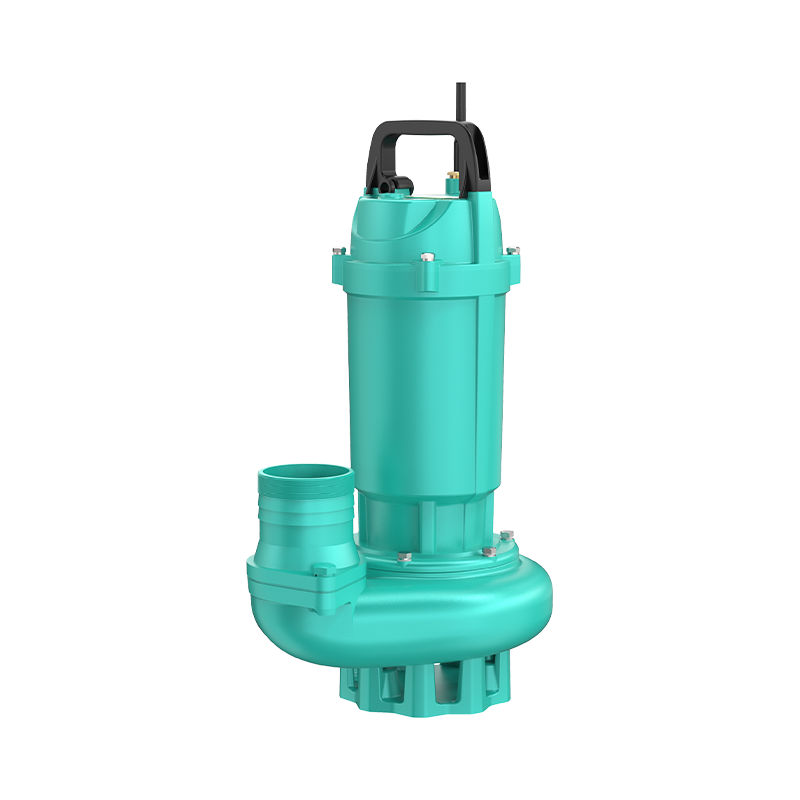
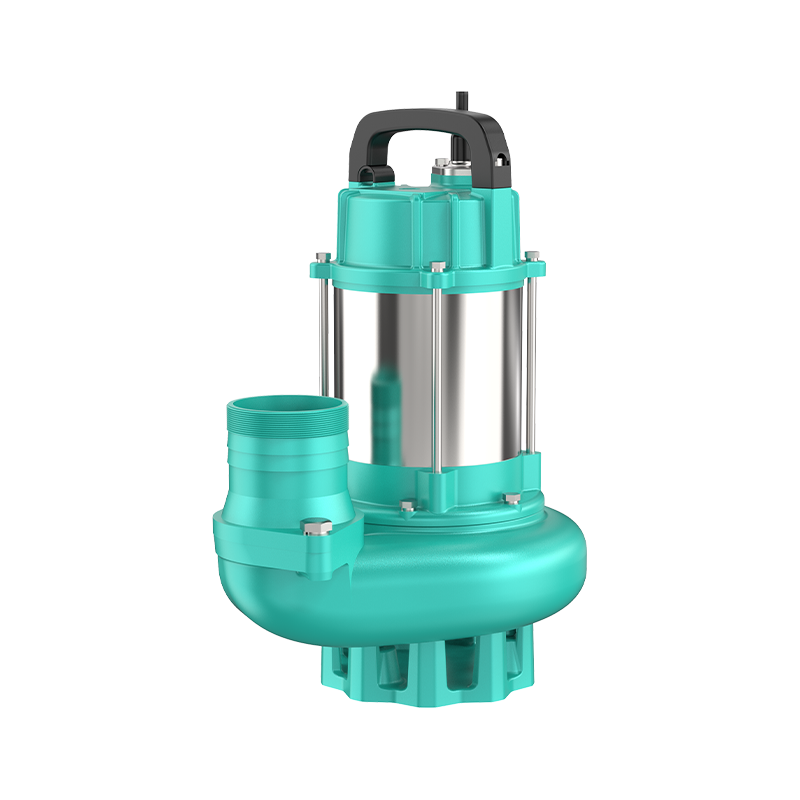
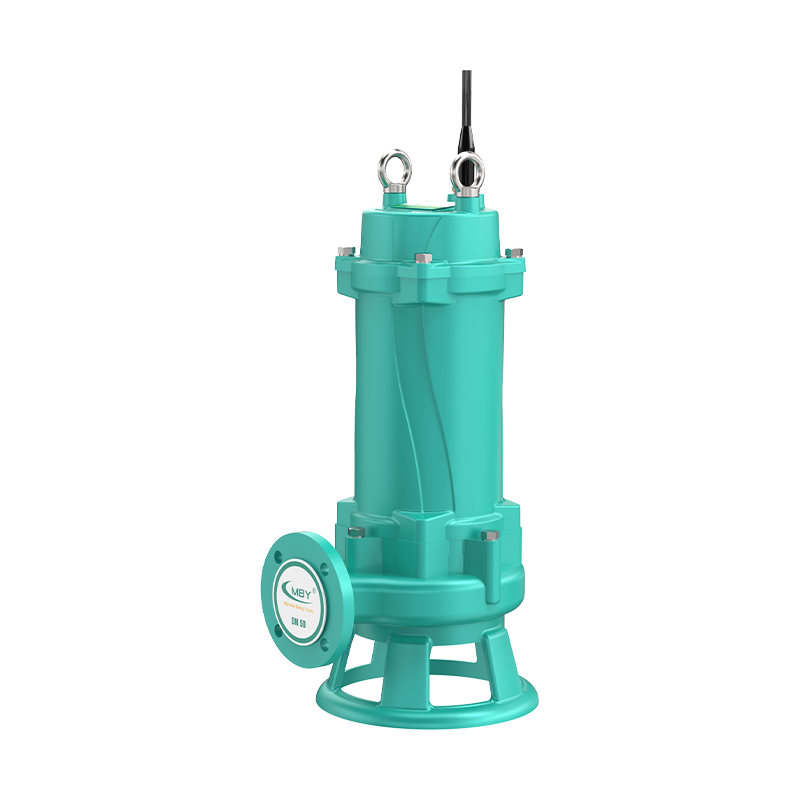
The sewage and wastewater submersible cutting electric pump is a pump specially designed for handling liquids containing solid particles and long fiber substances. It has the characteristics of no blockage and no entanglement, and can perform well in discharging liquids containing solid particles and long fiber substances. It has a reasonable design, a simple structure, and convenient maintenance. It adopts a large-channel open reamer impeller structure with a tearing mechanism and an adjusting disk, which can effectively pass solid particles and suspended matter with a diameter of about 50% of the pump diameter. It can tear and cut the fiber material and then discharge it smoothly, which is suitable for conveying sewage containing long fiber substances and sediments. It can be equipped with a liquid level automatic control cabinet according to user needs to realize automatic management. The double-rail automatic coupling device (auto-coupling) system brings great convenience to installation and maintenance, and there is no need to enter the sewage pit manually. It is suitable for cleaning the biogas slurry and sludge produced in rural biogas tanks, municipal engineering, pharmaceuticals, papermaking, chemicals, printing and dyeing, construction, mining, smelting, coal processing industry, various breeding industries, slaughterhouses, septic tanks, leather making, textiles, hospitals, hotels, and urban sewage discharge systems. It is suitable for conveying liquids containing solid particles, long fibers, and particularly dirty, sticky, and slippery sewage. It can also be used to pump clean water and weakly corrosive media.
Tefusenについて
栄誉
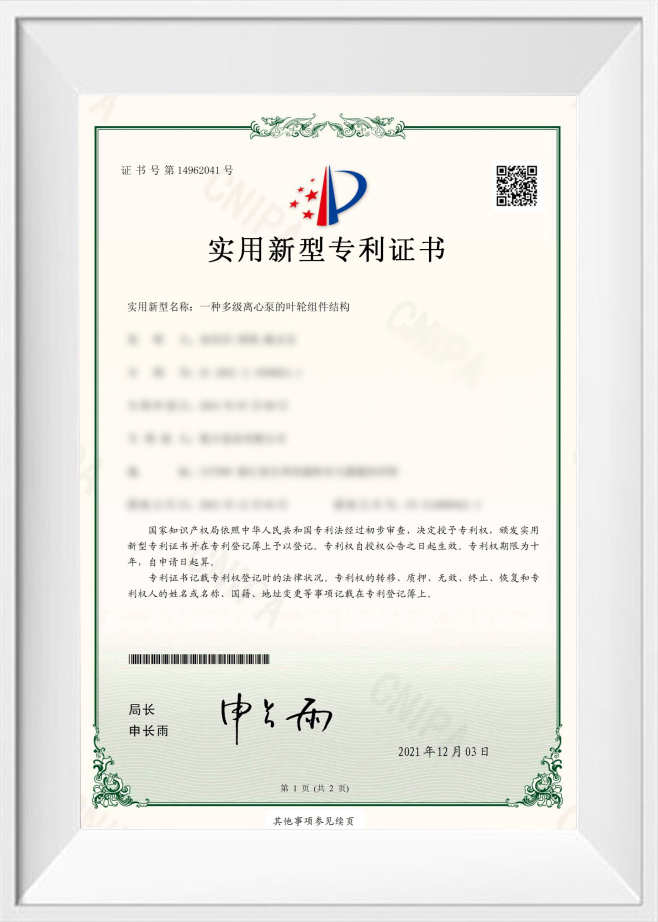
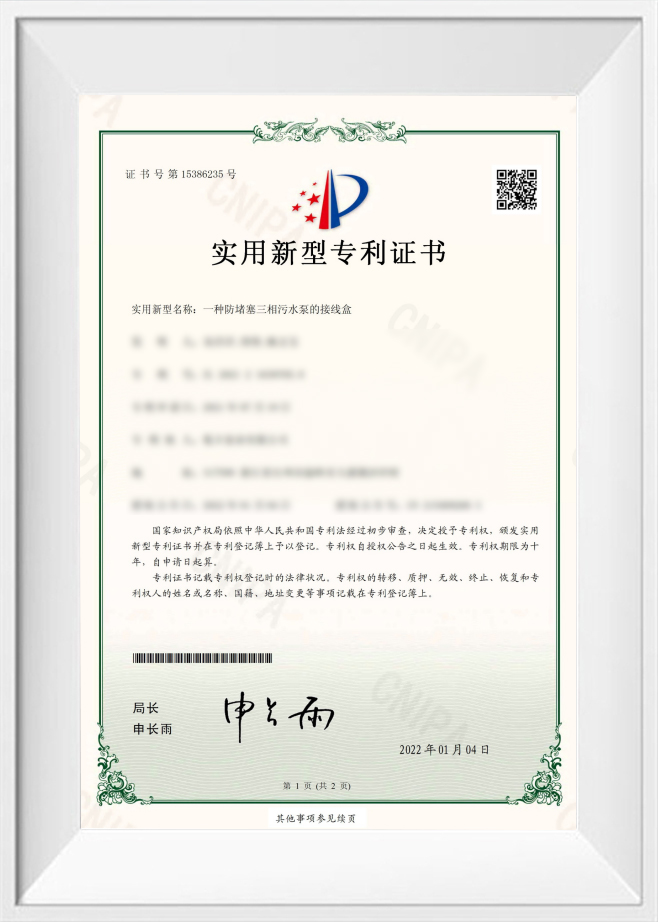
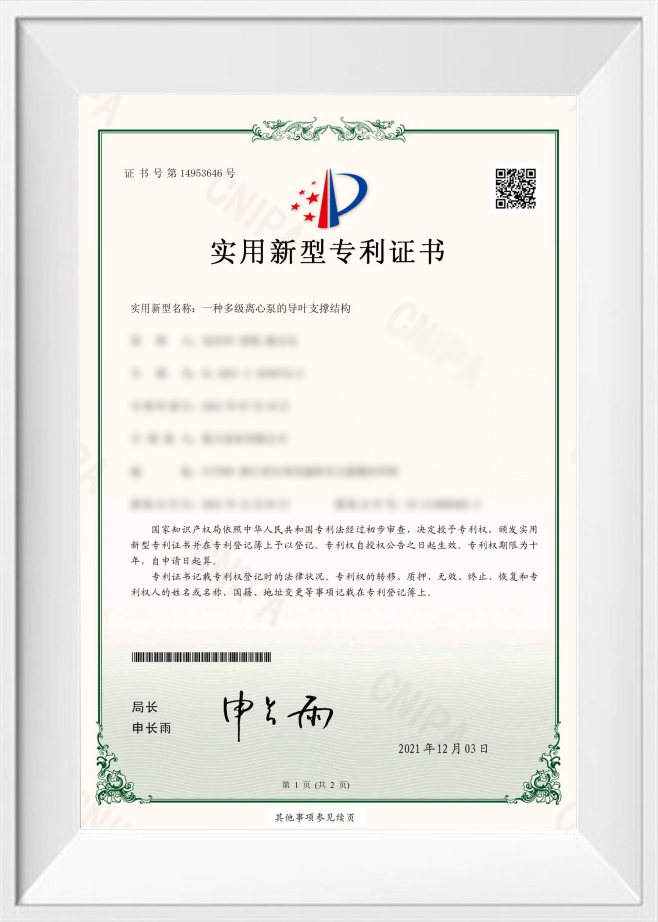
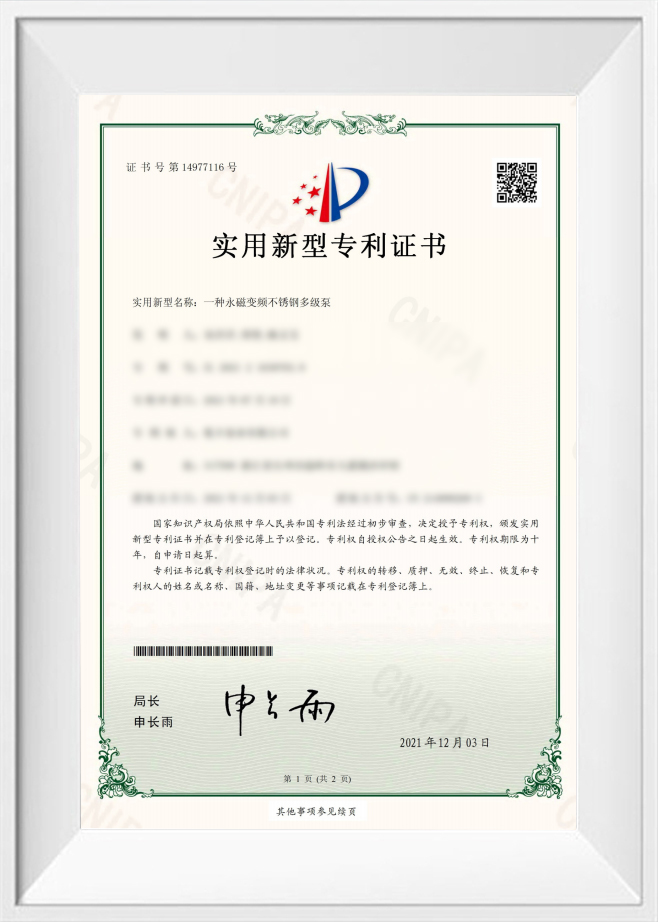
最新情報
下水・廃棄物水中切断電動ポンプ 業界知識
When selecting equipment for handling raw sewage, industrial effluent, and other challenging waste streams, safety is not a secondary consideration—it is the primary determinant of a successful installation. A sewage and waste submersible cutting electric pump operates in one of the most demanding environments imaginable, often submerged in corrosive, abrasive, and potentially explosive mixtures. The consequences of pump failure can be severe, ranging from property damage and environmental contamination to serious operator injury. Therefore, understanding the critical safety features integrated into these pumps is paramount for engineers, facility managers, and procurement specialists. This article provides a detailed examination of the essential safety mechanisms that define a reliable and safe submersible grinder pump, ensuring protection for personnel, property, and the process itself.
The operational context of a sewage pump with cutter blade is inherently hazardous. These pumps are designed to macerate solid waste, including textiles, plastics, and other debris, within a slurry that often contains flammable gases like methane and hydrogen sulfide, abrasive particles, and corrosive agents. The combination of electricity, water, mechanical force, and toxic gases creates a multifaceted risk profile. A comprehensive safety approach, therefore, must be engineered into the pump’s very design and construction, encompassing electrical integrity, mechanical reliability, and chemical resistance.
The interface between electricity and liquid is the most immediate safety concern. A breach in electrical integrity can lead to electrocution, short circuits, or catastrophic motor failure. Key electrical safety features are non-negotiable.
Class F Insulation and Moisture Resistance: The motor windings must be protected by high-grade insulation. Class F insulation is a standard for heavy-duty industrial motors, as it can withstand temperatures up to 155°C (311°F). This is crucial because a sewage pump for waste water can experience significant thermal stress during extended operation or if it becomes clogged. This insulation, combined with moisture-resistant resins, ensures the windings remain protected even in the event of a minor seal failure or internal condensation, preventing a short circuit that could destroy the motor and create an electrical hazard.
Thermal Overload Protection: This is arguably one of the most critical safety features. A waste water cutting pump can easily become overloaded by an unexpected influx of solids or a blockage in the discharge line. This causes the motor to draw excessive current, leading to rapid overheating. Integrated thermal sensors, often a positive temperature coefficient (PTC) thermistor embedded in the stator windings, continuously monitor motor temperature. If a predetermined threshold is exceeded, the sensor will trip the external control circuit, cutting power to the pump before the heat can damage the insulation, melt internal components, or create a fire risk. This automatic shutdown protects the pump’s longevity and prevents a dangerous thermal event.
Leakage Sensor and Moisture Detection: A sophisticated layer of protection involves a sensor, typically a humidity or moisture detection probe, located in the oil-filled or air-filled chamber between the mechanical seal and the stator housing. Its purpose is to provide an early warning of seal failure. If the primary mechanical seal begins to leak, fluid will ingress into this chamber and trigger the sensor. This can be configured to send an alarm to a control panel, allowing for proactive maintenance before any water reaches the live electrical components, thus preventing motor burnout and a potential electrical fault.
The mechanical action of cutting and pumping presents its own set of dangers, from the high-speed cutting mechanism to the pressures involved. Safety is ensured through robust design and redundant systems.
Mechanical Seal System: The seal is the barrier that contains the pumped fluid and prevents it from flooding the motor. A single seal is a point of failure. Therefore, a high-quality heavy duty sewage cutting pump will employ a double mechanical seal system, often arranged in tandem. The primary seal handles the majority of the pressure from the fluid side, while the secondary seal acts as a critical backup. These seals are typically made from durable, corrosion-resistant materials like silicon carbide versus silicon carbide (SiC/SiC), which offer exceptional hardness and longevity. This redundant system ensures that even if the primary seal wears or fails, the motor remains protected, preventing a catastrophic flood that would lead to immediate motor failure and a hazardous situation.
Anti-Clogging and Anti-Blockage Design: While not a “feature” in the traditional sense, a design that inherently resists clogging is a fundamental safety attribute. A clogged pump will overheat, potentially causing the thermal protector to cycle repeatedly, and can lead to dangerous pressure build-up in the system. Pumps designed with large-capacity, vortex-style impellers behind the cutter mechanism, or optimized cutting systems that efficiently reduce solids to a fine slurry, minimize the risk of blockages. This ensures smooth, uninterrupted operation and reduces the frequency of maintenance interventions, thereby limiting personnel exposure to hazardous environments.
Stainless Steel Construction and Corrosion Resistance: The physical housing and internal components must withstand relentless chemical attack. Pumps constructed from cast iron with only a basic coating will quickly succumb to corrosion, weakening the structure and potentially leading to casing failure. Look for pumps where critical components, especially the cutter mechanism, shaft, and fasteners, are made from austenitic stainless steel (e.g., 304 or 316). For extremely aggressive environments, as found in industrial submersible cutter pump applications, duplex stainless steel or other specialized alloys may be specified. This corrosion resistance is a safety feature; it prevents structural failure that could cause the pump to disintegrate under pressure or during operation.
Safety extends beyond the immediate pump components to how the pump interacts with its environment and control systems.
Explosion-Proof Design for Hazardous Environments: In applications where flammable gases like methane or hydrogen sulfide may be present—such as in wastewater treatment plants, septic tanks, or certain industrial processes—a standard pump represents a massive ignition risk. For these environments, an explosion-proof (Ex-proof) certified sewage cutting pump is mandatory. These pumps are engineered to contain any internal explosion within their housing and to prevent any internal spark or high surface temperature from igniting the surrounding atmosphere. This is achieved through flanged joints that cool escaping gases, specially designed connectors, and motors that operate below the ignition temperature of specified gases. Using a non-certified pump in such a zone is a severe safety violation.
Automatic Coupling Systems: Manual installation and retrieval of a heavy, sludge-covered pump from a deep wet well are fraught with risk. The potential for slips, falls, and musculoskeletal injury is high. An automatic coupling system, or guide rail system, is a major safety advancement. The pump is permanently attached to a discharge elbow mounted on the guide rails. For service, the pump is simply hoisted up the rails until it disengages and can be lifted out. Conversely, installation involves lowering the pump until it automatically aligns and seats onto the discharge connection. This system eliminates the need for personnel to descend into the wet well or manually maneuver the pump into position, significantly reducing physical injury risks.
Oil Leakage Monitoring: For pumps that use oil to cool the motor and lubricate bearings, a leak is a serious issue. It can lead to motor overheating and failure, and it also represents an environmental contaminant. Some advanced designs include a sensor to monitor the integrity of the oil-filled motor chamber, providing an alert if a leak is detected, allowing for intervention before the oil contaminates the effluent or the pump fails.
The most thoughtfully designed safety features are only as good as the quality control behind their production. This is where the foundation of a reliable product is laid. A manufacturer equipped with advanced production facilities, including CNC lathes, grinding machines, dynamic balancers, and automatic winding machines, can achieve the precision necessary for safety-critical components. For instance, a dynamically balanced rotor ensures smooth, vibration-free operation, which prevents premature seal and bearing wear—a failure that could compromise the entire sealing system.
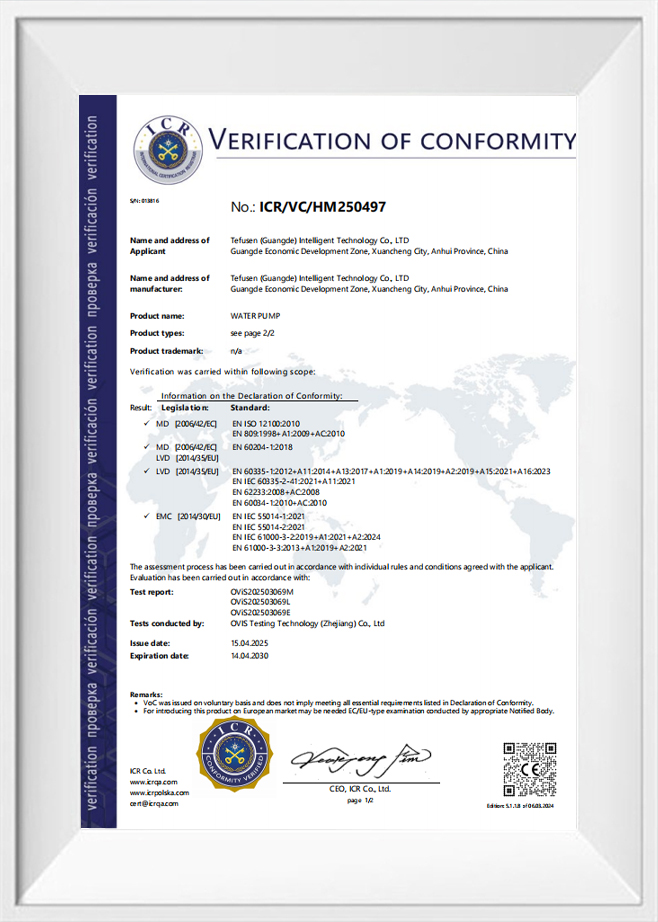
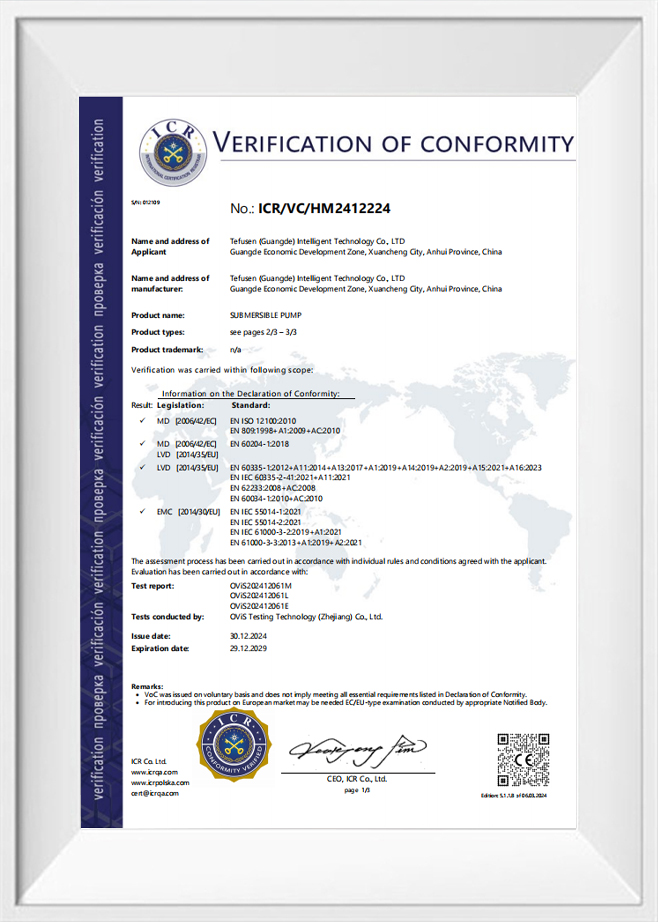
Furthermore, independent certification is the objective validation of a pump’s safety and quality. Certifications like ISO 9001 attest to a consistent quality management system, while CE marking indicates conformity with health, safety, and environmental protection standards for products sold within the European Economic Area. For a sewage and waste submersible cutting electric pump, these certifications provide assurance that the product has been designed and built to internationally recognized standards, and that its declared performance and safety features are credible.
Selecting a safe sewage and waste submersible cutting electric pump is not about finding a single magic feature. It is about adopting a holistic, systems-based approach. It requires verifying that the pump integrates multiple layers of protection: advanced electrical safeguards like thermal and moisture sensors; mechanical redundancies like double mechanical seals; corrosion-resistant materials; and design elements that minimize operational risks.
Ultimately, the safest pump is one that is correctly specified for its application, installed according to manufacturer guidelines, and maintained within a proactive schedule. By prioritizing pumps that embody these engineered safety features and are backed by rigorous manufacturing standards and third-party certifications, operators can ensure reliable performance while safeguarding their personnel, their facility, and the environment from the significant hazards inherent in handling sewage and wastewater. The investment in a truly safe submersible cutter pump for industrial effluent is an investment in risk mitigation and operational continuity.